Artificial intelligence is revolutionizing the transportation sector by optimizing traffic management, enhancing vehicle safety, and improving logistics efficiency. From self-driving cars to smart traffic systems, AI technology enables real-time decision-making that reduces congestion, minimizes accidents, and streamlines travel for millions worldwide. The integration of AI in transportation is transforming how people and goods move across cities and continents.
- AI in Traffic Management
- Autonomous Vehicles and Safety
- Logistics and Supply Chain Optimization
- Celebrity Advocacy and Sustainable Mobility
- Ethical and Regulatory Considerations in AI Transportation
- FAQs
- How is AI improving traffic management?
- Can AI enhance vehicle safety?
- How does AI optimize logistics and supply chains?
- Do celebrities influence transportation advocacy?
- What ethical concerns exist with AI in transportation?
- How will AI shape the future of global transportation?
- Conclusion
AI in Traffic Management
AI-powered traffic management systems analyze real-time data from sensors, cameras, and GPS devices to optimize traffic flow and reduce congestion. Predictive algorithms can anticipate bottlenecks, adjust signal timings, and recommend alternate routes, enhancing the efficiency of urban transportation networks.
Furthermore, AI enables dynamic responses to emergencies, accidents, or roadwork by rerouting traffic and coordinating with law enforcement and emergency services. These capabilities not only improve travel efficiency but also enhance safety and reduce environmental impact by minimizing unnecessary idling and fuel consumption.
Autonomous Vehicles and Safety
Autonomous vehicles rely on AI to navigate complex environments, detect obstacles, and make split-second decisions. Self-driving cars, trucks, and public transport systems use machine learning algorithms and real-time sensor data to ensure passenger safety and efficient travel.
Beyond individual vehicles, AI enhances fleet management and predictive maintenance, reducing breakdowns and operational risks. These advancements are reshaping urban mobility, offering safer, more reliable, and efficient transportation options while paving the way for future smart cities.
Logistics and Supply Chain Optimization
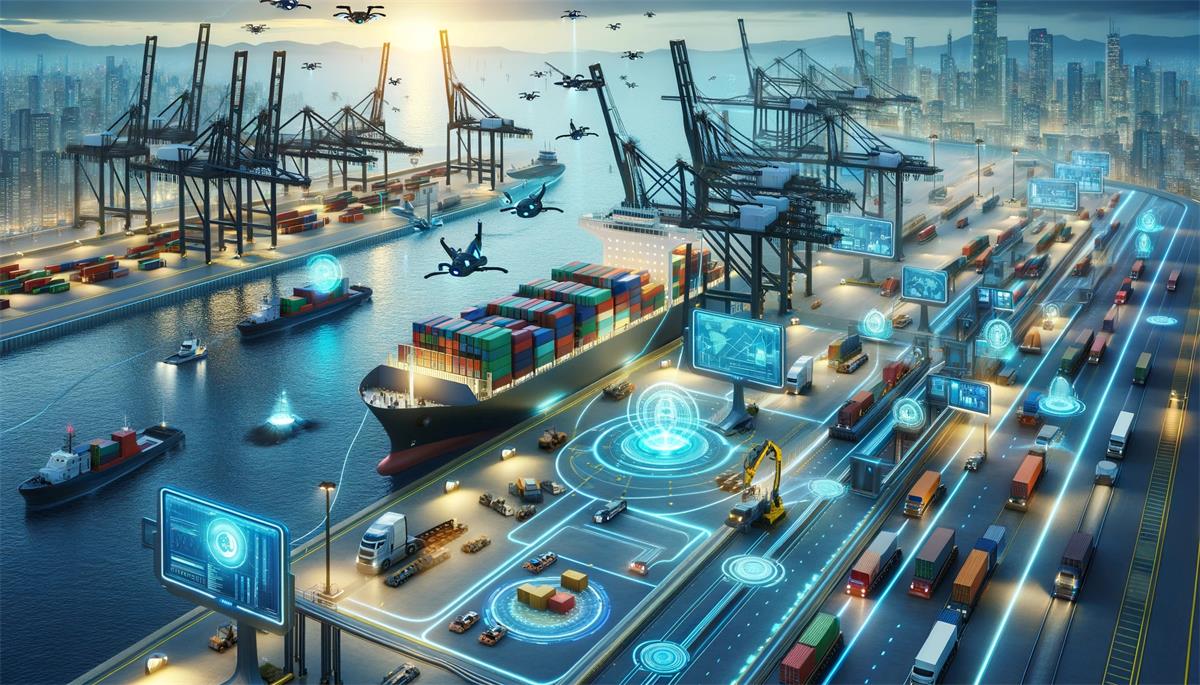
AI is transforming logistics by optimizing delivery routes, inventory management, and supply chain planning. Predictive analytics help companies forecast demand, allocate resources, and reduce delays, ensuring timely and cost-effective delivery of goods globally.
Moreover, AI-driven logistics systems enhance sustainability by minimizing fuel consumption, reducing emissions, and optimizing warehouse operations. Businesses and governments benefit from these efficiencies, creating a more resilient, eco-friendly, and streamlined global supply chain.
Celebrity Advocacy and Sustainable Mobility
Celebrities are increasingly using AI-driven platforms to promote sustainable mobility solutions, such as electric vehicles, public transport initiatives, and green infrastructure projects. By leveraging audience insights and engagement analytics, they can design effective campaigns that inspire behavior change and raise awareness about environmental and urban transport issues.
This combination of AI insights and celebrity influence accelerates public adoption of innovative transport solutions. It also encourages policymakers to implement forward-thinking strategies that prioritize sustainability, safety, and efficiency in urban and intercity transportation networks.
Ethical and Regulatory Considerations in AI Transportation
While AI offers transformative benefits, it also raises ethical and regulatory concerns. Autonomous vehicles must adhere to safety standards, ensure data privacy, and operate transparently to maintain public trust. Additionally, the deployment of AI in traffic management and logistics requires careful consideration of equity and accessibility, ensuring all communities benefit fairly.
Policymakers, technologists, and transportation authorities must collaborate to create ethical frameworks and regulations that guide AI adoption. Transparent, accountable, and responsible practices are essential to maximizing the potential of AI in transforming global transportation while minimizing risks.
FAQs
How is AI improving traffic management?
AI analyzes real-time data to optimize traffic flow, reduce congestion, and respond dynamically to accidents or emergencies.
Can AI enhance vehicle safety?
Yes. Autonomous vehicles use AI to detect obstacles, navigate complex environments, and ensure passenger safety.
How does AI optimize logistics and supply chains?
AI forecasts demand, allocates resources, and streamlines delivery routes, improving efficiency and reducing costs and emissions.
Do celebrities influence transportation advocacy?
Celebrities use AI insights to promote sustainable mobility, encourage public adoption of green solutions, and raise awareness about transport challenges.
What ethical concerns exist with AI in transportation?
Concerns include safety, data privacy, equitable access, and transparent regulation to ensure responsible deployment.
How will AI shape the future of global transportation?
AI will enhance safety, efficiency, and sustainability, enabling smarter cities, autonomous mobility solutions, and optimized global logistics networks.
Conclusion
Artificial intelligence is transforming global transportation by improving traffic management, enhancing vehicle safety, and optimizing logistics systems. Combined with celebrity advocacy, AI fosters sustainable mobility, raises public awareness, and encourages adoption of innovative transport solutions. Its integration into transportation systems worldwide is creating smarter, safer, and more efficient networks for people and goods alike.
Looking ahead, ethical deployment, regulatory oversight, and equitable access will be critical to ensure AI benefits all communities fairly. By responsibly combining technology, advocacy, and policy, governments, businesses, and public figures can foster a global transportation ecosystem that is safe, sustainable, and innovative.