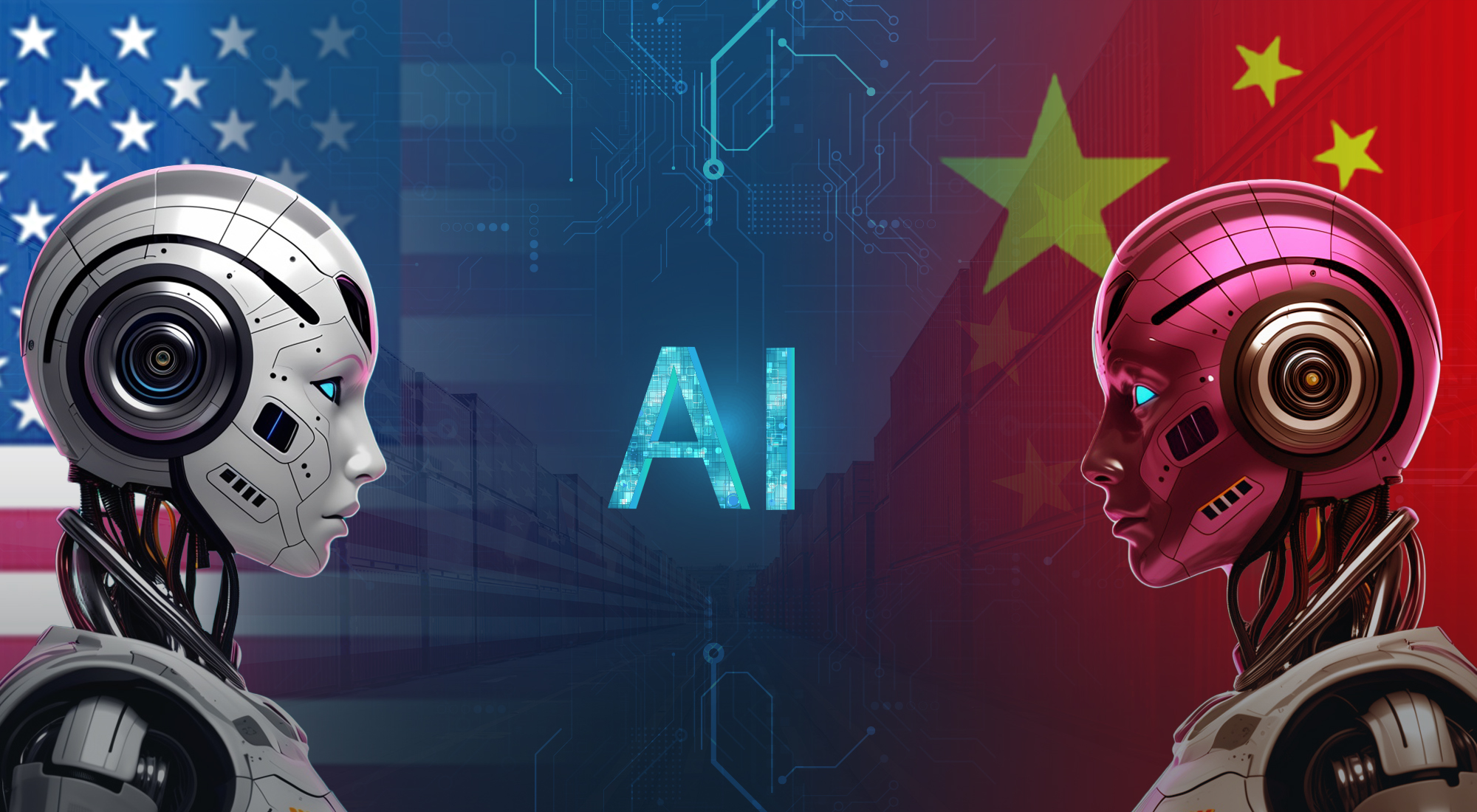
Artificial intelligence is transforming policy analysis by providing governments and institutions with the tools to process complex datasets, forecast trends, and simulate outcomes. Predictive models allow policymakers to anticipate social, economic, and geopolitical shifts, enabling proactive strategies that address potential challenges before they escalate. By automating data analysis, AI helps reduce errors and ensures that decisions are based on comprehensive insights rather than limited or outdated information.
- Crisis Management and AI
- Celebrity Advocacy in Global Politics
- AI and Global Governance
- Ethical Considerations in AI Politics
- FAQs
- How is AI influencing global politics?
- Can celebrities impact political advocacy using AI?
- How does AI support crisis management?
- What role does AI play in global governance?
- What ethical challenges exist with AI in politics?
- How will AI shape the future of policymaking?
- Conclusion
Crisis Management and AI
AI plays a vital role in crisis management by analyzing real-time information from multiple sources, identifying emerging risks, and recommending actionable solutions. From natural disasters to political instability, AI systems can forecast critical developments, helping governments and organizations respond quickly and efficiently. This predictive capability reduces response times and minimizes the human and economic impact of crises.
Additionally, AI enhances communication and coordination among agencies during emergencies. By providing data-driven insights, it allows for optimized resource allocation, prioritization of high-risk areas, and streamlined decision-making. The integration of AI in crisis management not only improves operational efficiency but also strengthens public trust in the institutions responsible for safeguarding communities and maintaining stability.
Celebrity Advocacy in Global Politics
Celebrities and public figures increasingly leverage AI to influence political discourse and global advocacy campaigns. Using AI-powered analytics, influencers can assess audience engagement, understand public sentiment, and craft messaging that resonates with diverse populations. Their ability to amplify critical issues, such as human rights, climate policy, or social reform, ensures that these messages reach a global audience effectively.
The combination of AI insights and celebrity influence enhances the reach and impact of advocacy campaigns. Public figures can mobilize communities, inspire civic participation, and encourage governments to act on urgent social and political issues. This interplay between technology and public advocacy reflects the evolving nature of modern politics, where influence extends beyond traditional channels.
AI and Global Governance
Artificial intelligence is also shaping global governance by supporting international coordination, policy monitoring, and program evaluation. AI tools help organizations analyze complex international datasets, assess compliance with treaties, and forecast the outcomes of cross-border initiatives. This data-driven approach improves transparency, accountability, and efficiency in global decision-making.
Moreover, AI enables predictive modeling to anticipate challenges such as economic crises, public health emergencies, or environmental threats. By facilitating collaboration among nations, AI strengthens the ability of global institutions to respond cohesively and effectively, ensuring that international strategies are informed, timely, and scalable across diverse contexts.
Ethical Considerations in AI Politics
While AI offers significant advantages, it also raises ethical challenges in politics and policy. Concerns include algorithmic bias, data privacy violations, and the potential manipulation of public opinion. Without proper safeguards, AI-driven decisions may inadvertently reinforce inequalities or compromise democratic principles, undermining public trust in governance.
To address these risks, policymakers and technologists must establish transparent and accountable frameworks for AI deployment. Ethical guidelines, equitable access to AI tools, and continuous oversight are essential to ensure that AI supports fair, responsible, and effective decision-making. Upholding ethical standards is crucial to balance innovation with societal responsibility in political and policy contexts.
FAQs
How is AI influencing global politics?
AI analyzes data, forecasts trends, and provides actionable insights that help governments and organizations make informed policy decisions.
Can celebrities impact political advocacy using AI?
Yes. Celebrities use AI analytics to optimize messaging, engage audiences, and amplify awareness campaigns on key global issues.
How does AI support crisis management?
AI monitors risks, predicts emergencies, and recommends interventions, enabling faster response and better allocation of resources during crises.
What role does AI play in global governance?
AI enhances transparency, policy monitoring, and international coordination, improving the effectiveness of multinational programs and initiatives.
What ethical challenges exist with AI in politics?
Ethical concerns include algorithmic bias, privacy risks, misinformation, and the need for accountability and fairness in AI-driven policy decisions.
How will AI shape the future of policymaking?
AI will provide predictive insights, data-driven decision support, and scenario modeling, enabling more responsive, evidence-based, and effective governance worldwide.
Conclusion
Artificial intelligence is transforming global politics by enhancing policy analysis, crisis management, and international governance. Combined with celebrity advocacy, AI amplifies awareness, encourages civic engagement, and influences policy outcomes. Its integration into political systems ensures that decision-making is informed, efficient, and responsive to the complexities of the modern world.
However, ethical oversight, transparency, and equitable access are essential to ensure that AI benefits all citizens fairly. By responsibly deploying AI alongside public advocacy, governments and influencers can foster trust, promote informed participation, and shape a political landscape that is both innovative and accountable.